Corpus Lucida
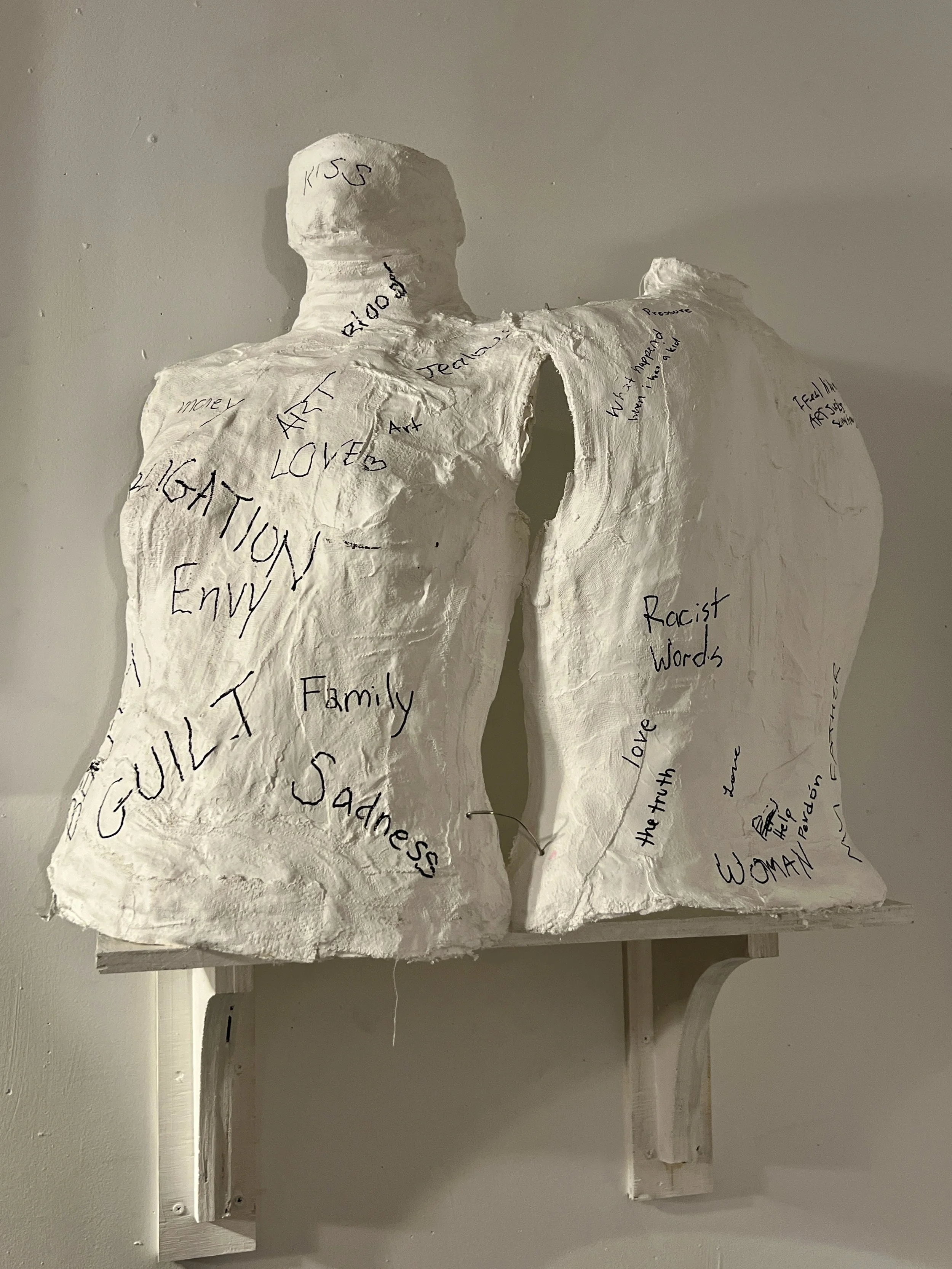
Corpus Lucida explores the body as an unstable psychological and emotional architecture shaped by memory, desire, fragmentation, and presence. Rather than depicting the figure as a unified or fixed identity, the work approaches the body as a shifting accumulation of emotional residue, psychic tension, sensuality, and reconstruction.
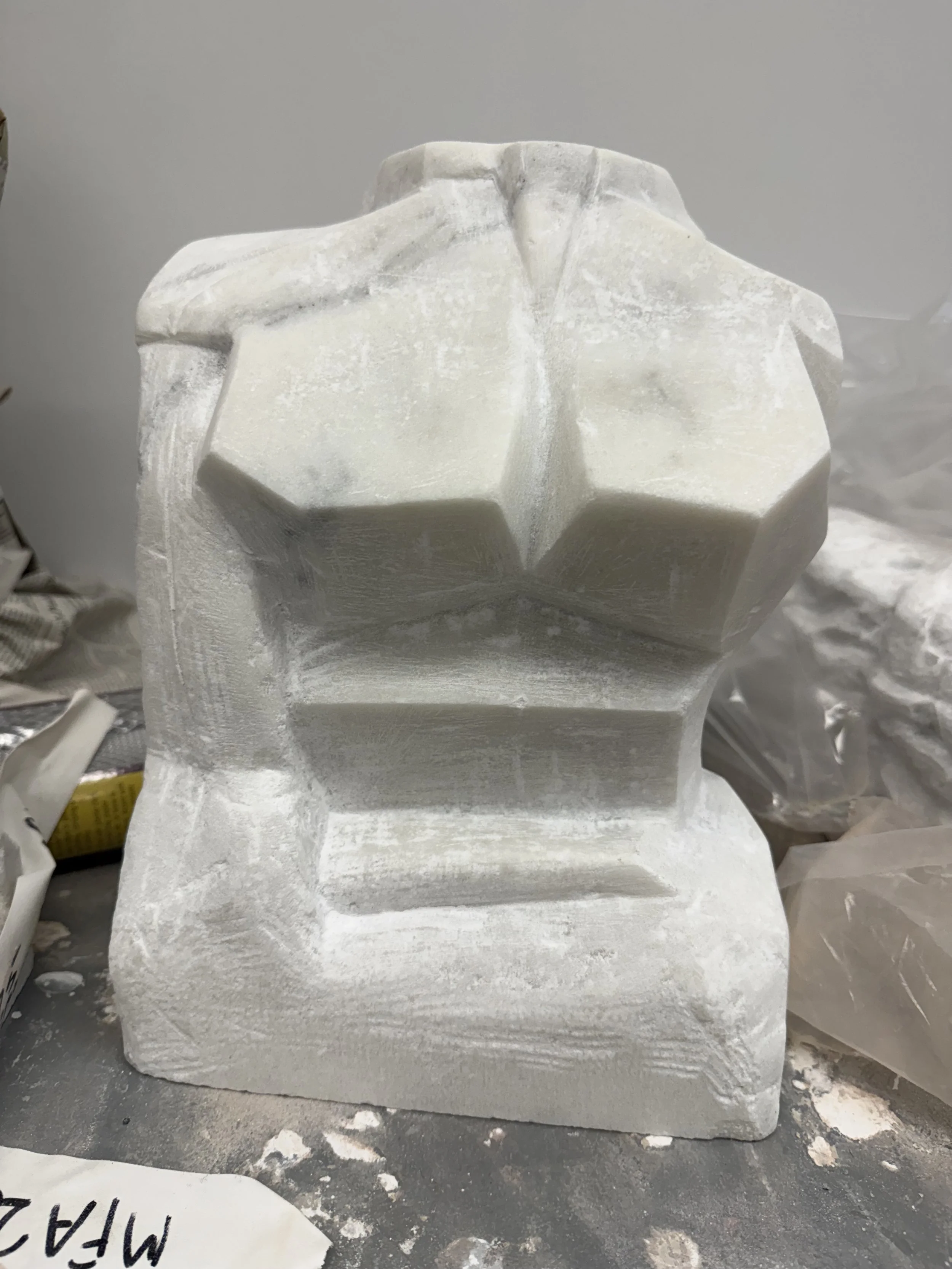
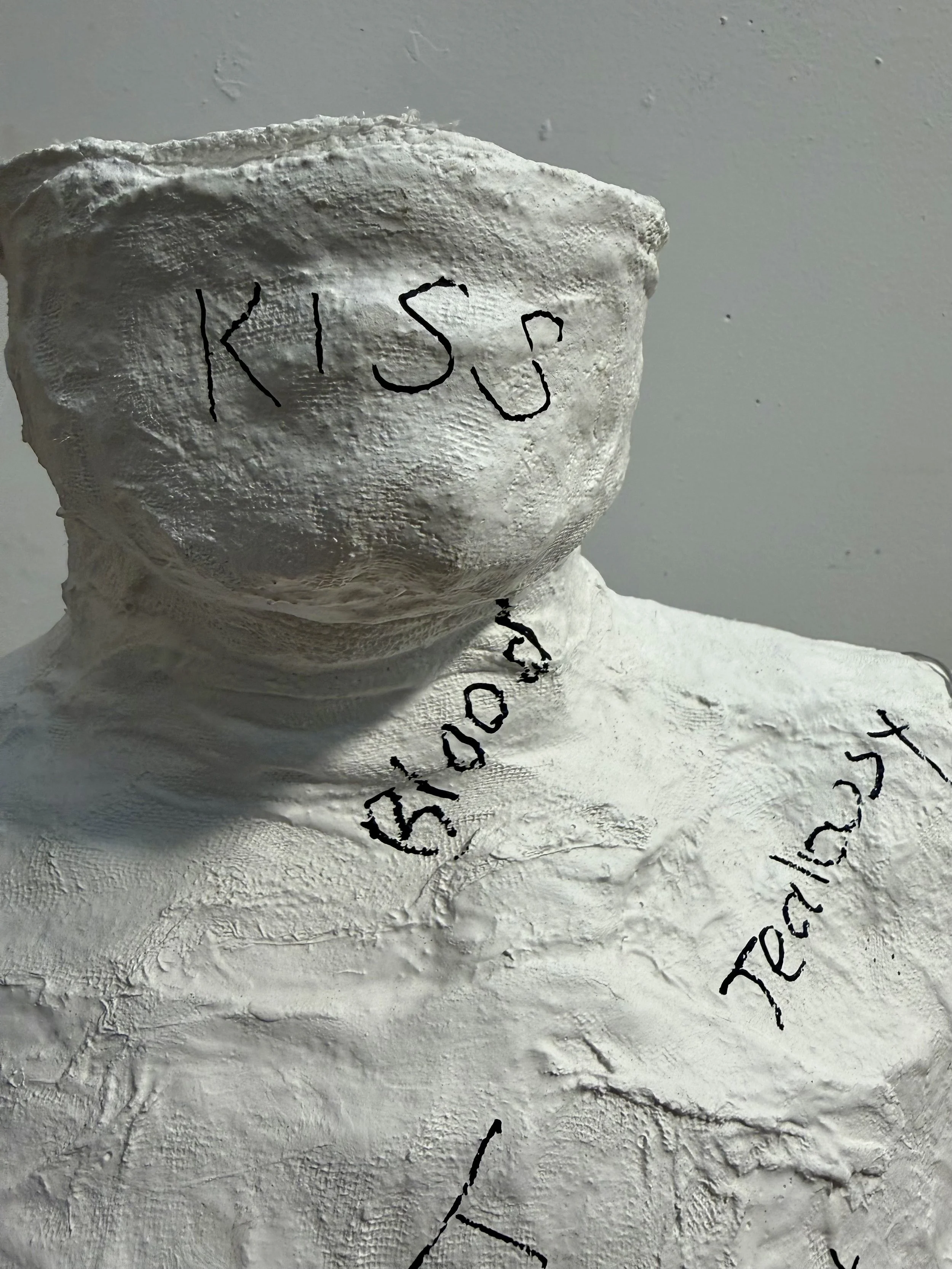
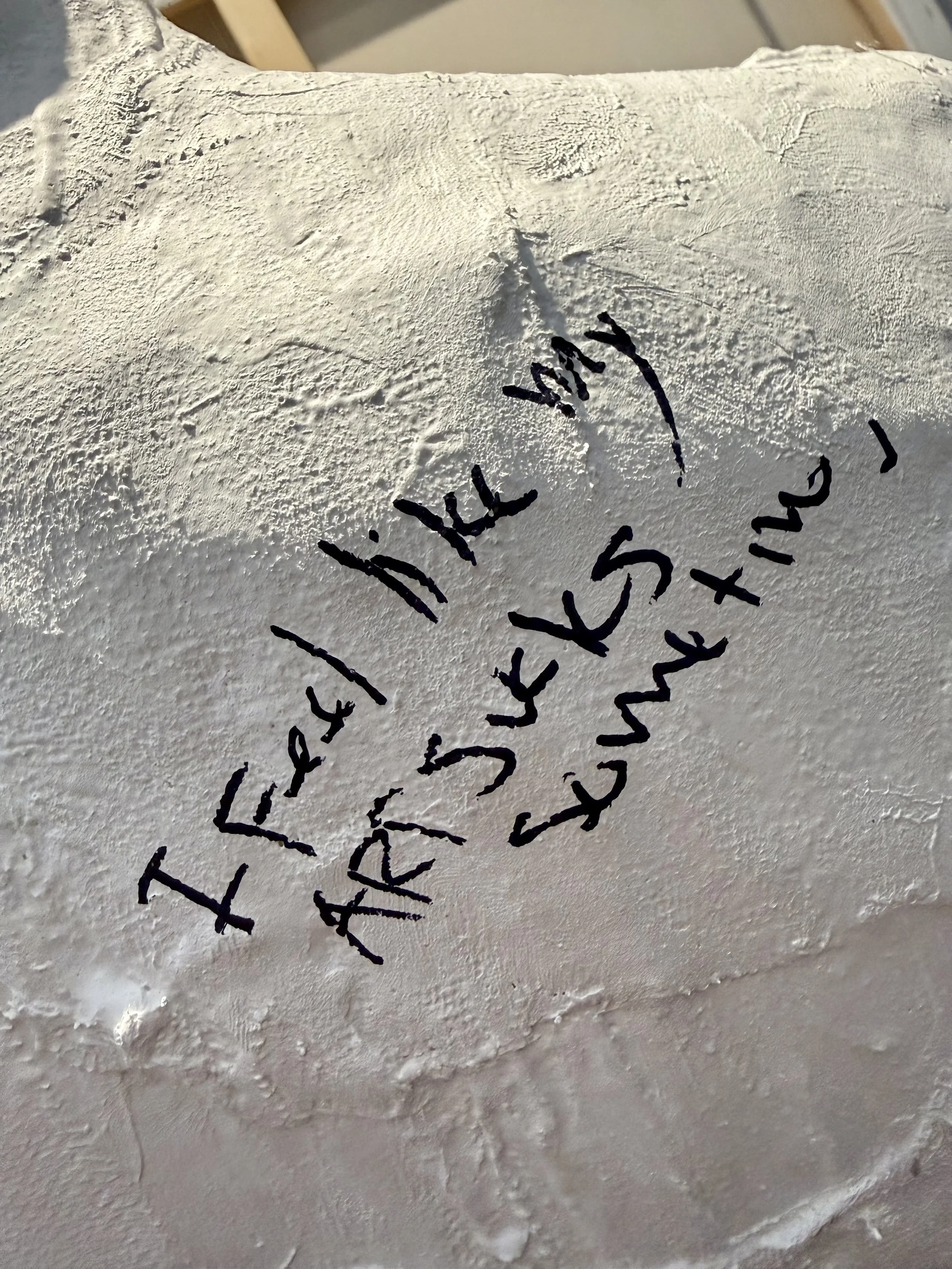
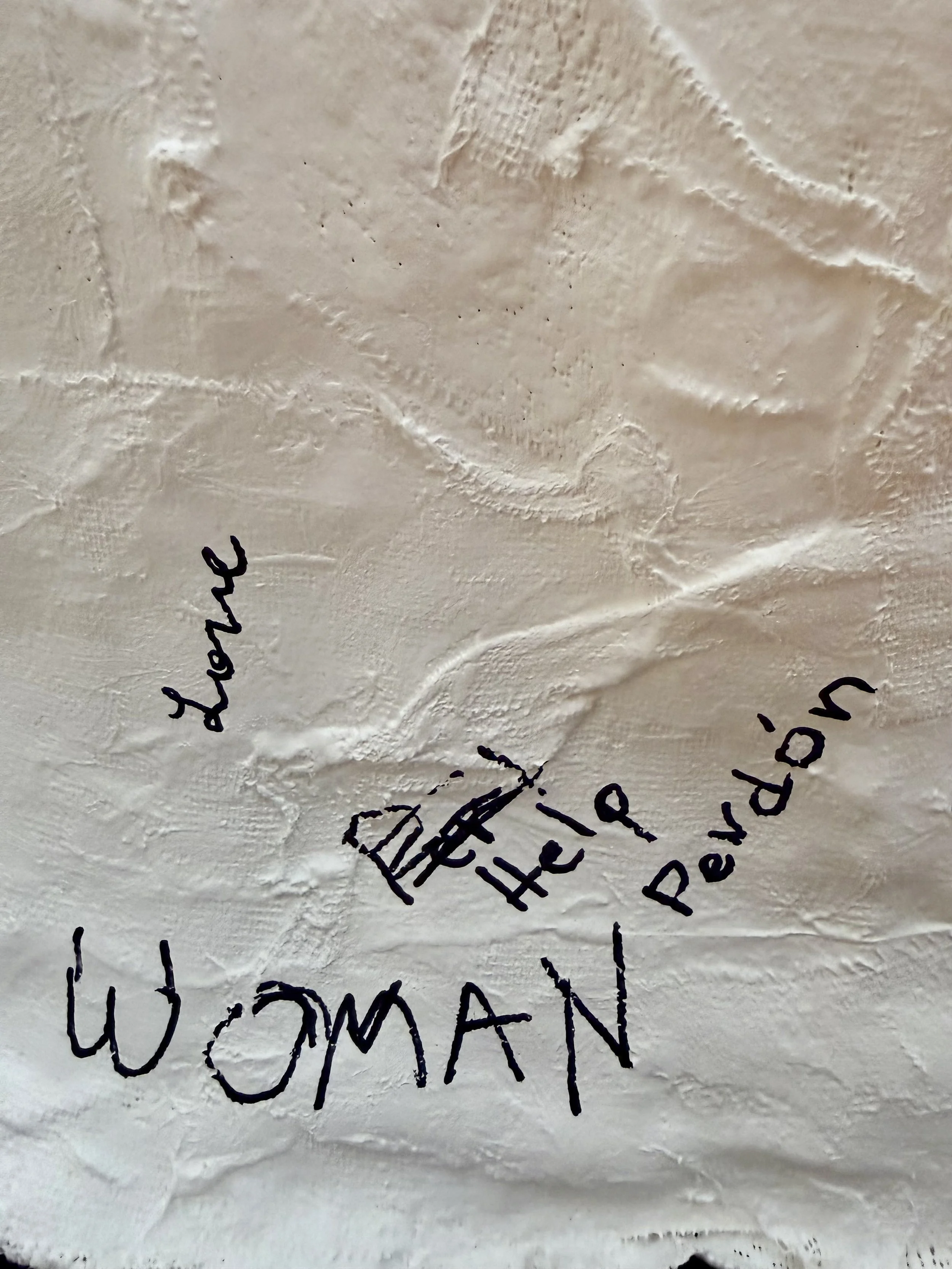
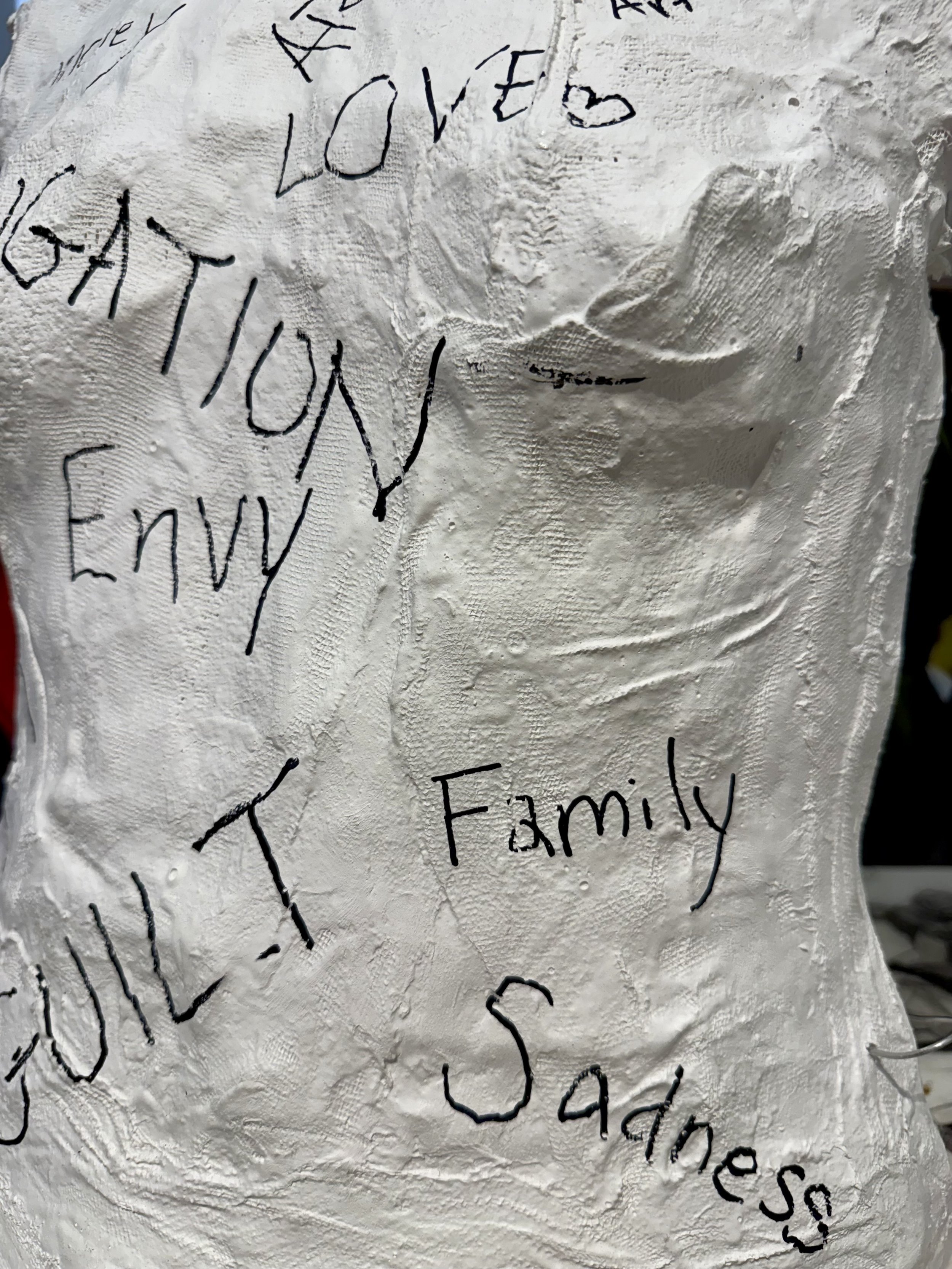
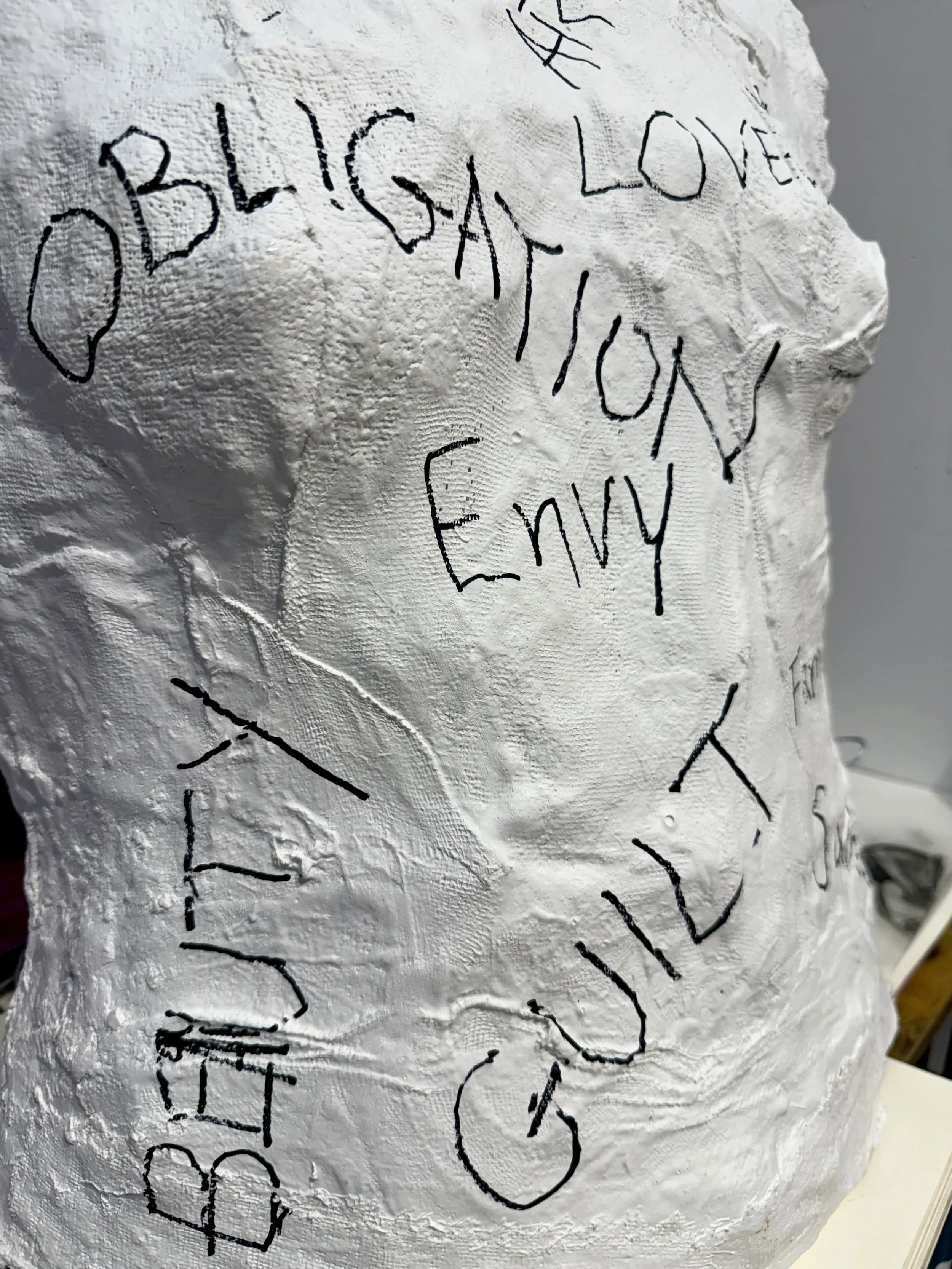
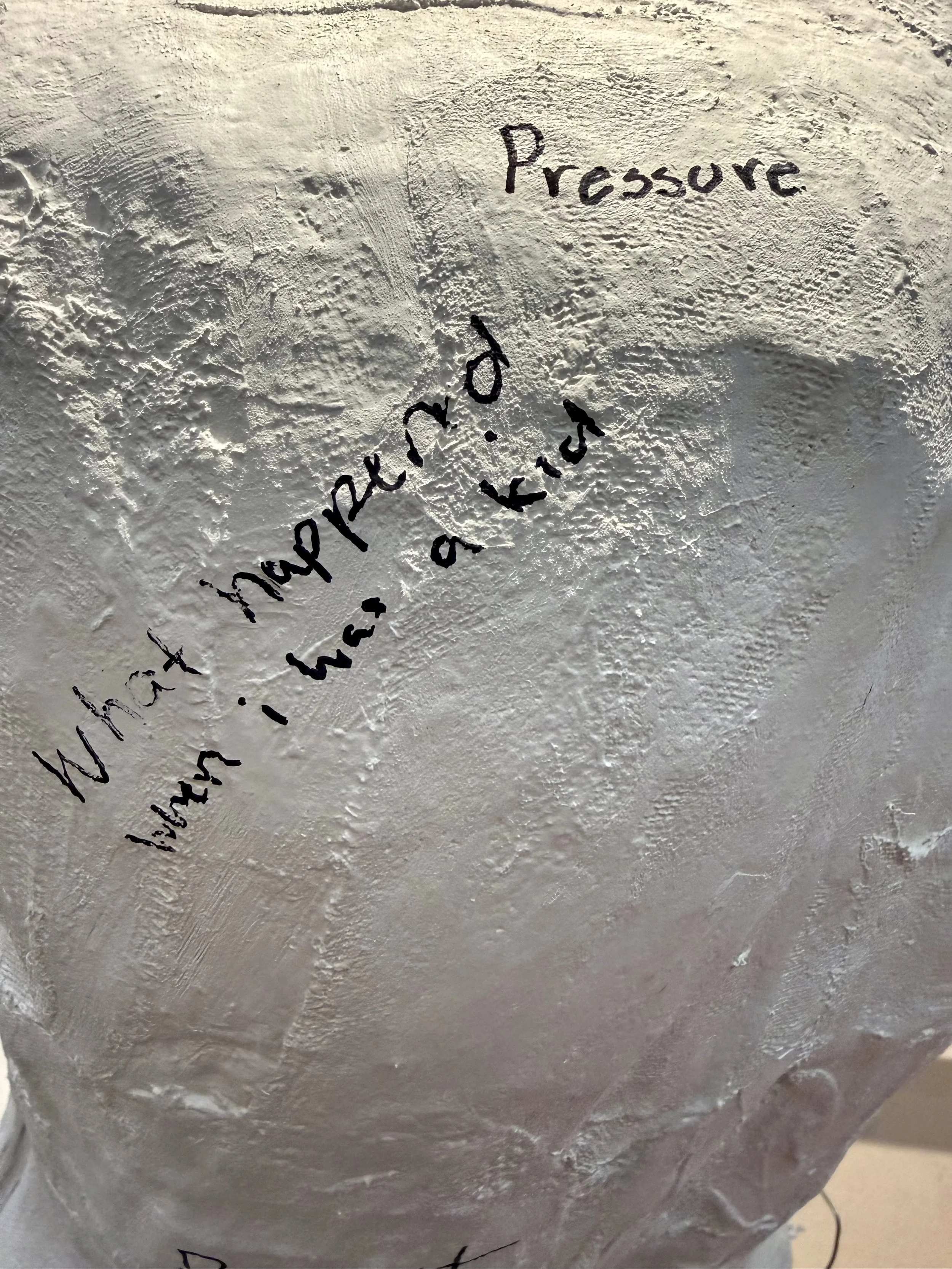
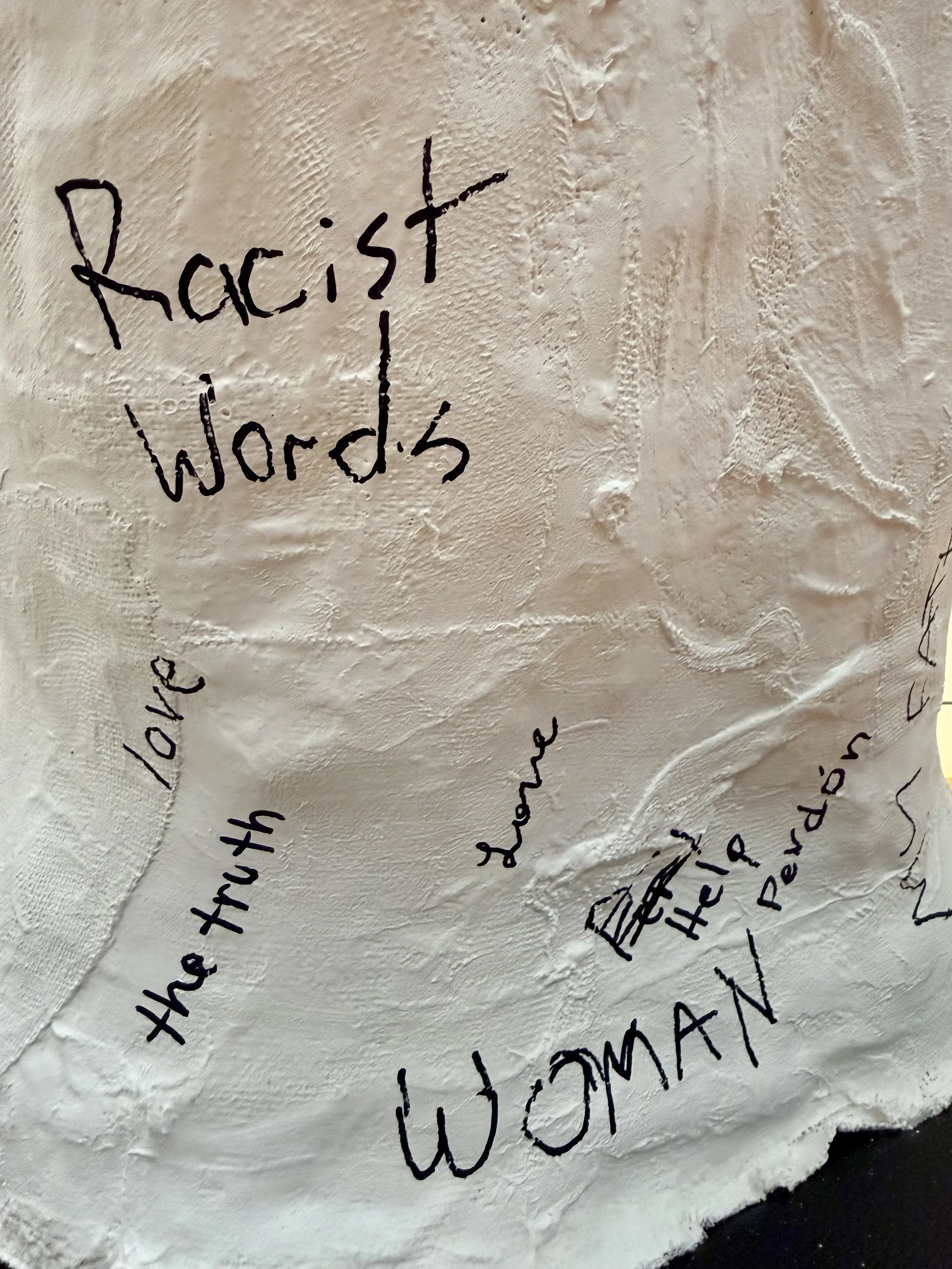
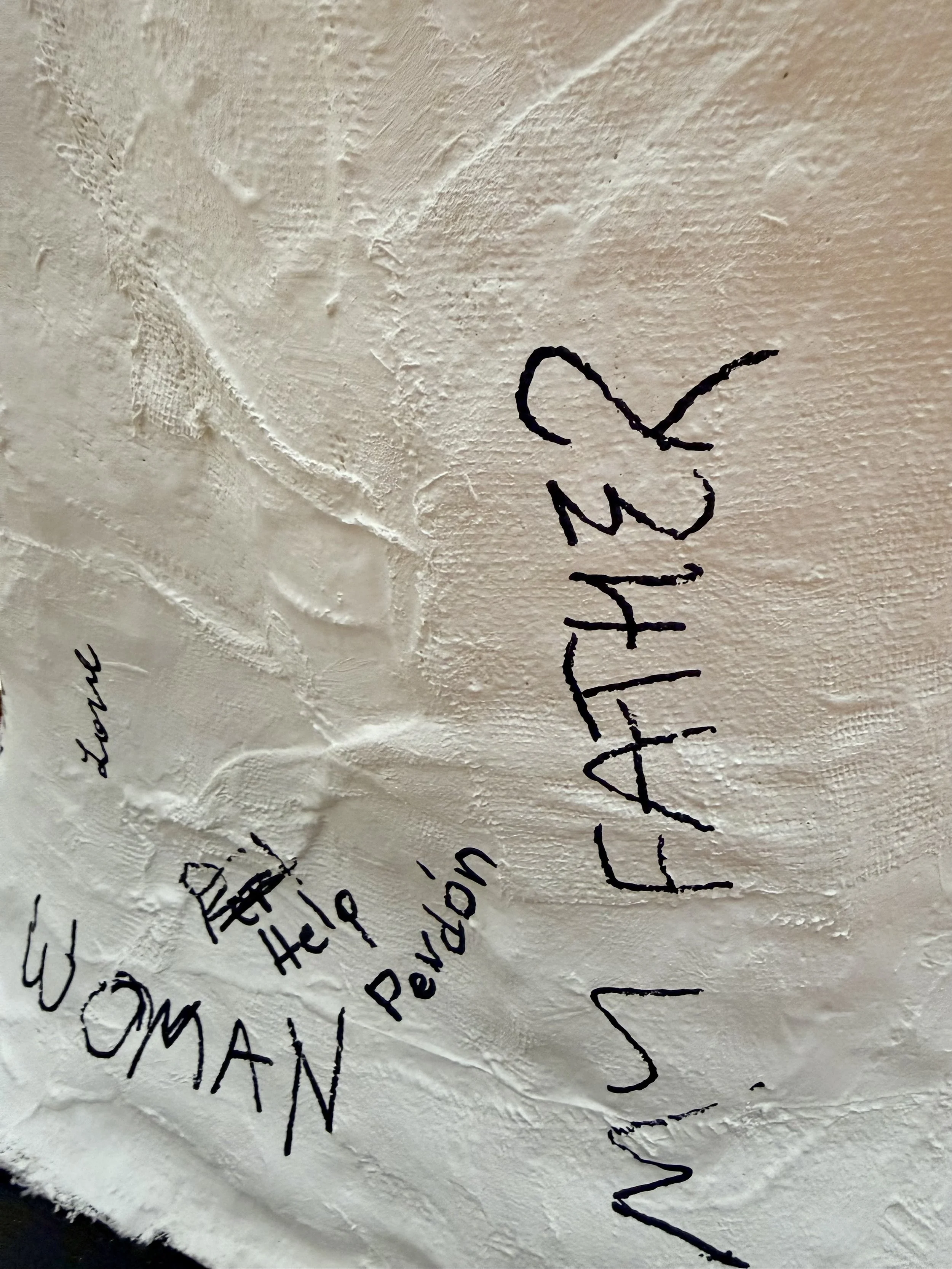
Through painting, body imprint, performance, and sculpture, the body becomes both material and archive — a site where inner states are transferred into form. Fragmented anatomies, geometric structures, isolated torsos, pelvises, ribs, and traces of gesture function not as representations of the body alone, but as attempts to organize desire, vulnerability, control, and consciousness into physical space.
Influenced by psychoanalytic theory, contemporary figuration, body art, and abstraction, Corpus Lucida examines the tension between fragmentation and order, emotional instability and formal discipline. Geometric planes and sculptural containment suggest systems of reconstruction: the body continuously assembling and reassembling itself through memory, perception, and lived experience.
The project is rooted in the understanding that identity is never entirely stable or complete. Instead, the human subject exists as a fluid psychological structure shaped by contradiction, longing, projection, and transformation. Within this framework, the body becomes both witness and language.
Expanding into Carrara marble sculpture, Corpus Lucida introduces a dialogue between permanence and instability. Historically associated with monumentality, ideal beauty, and eternity, marble becomes a material through which emotional tension, fragmentation, sensuality, and psychological presence are reimagined in contemporary form.